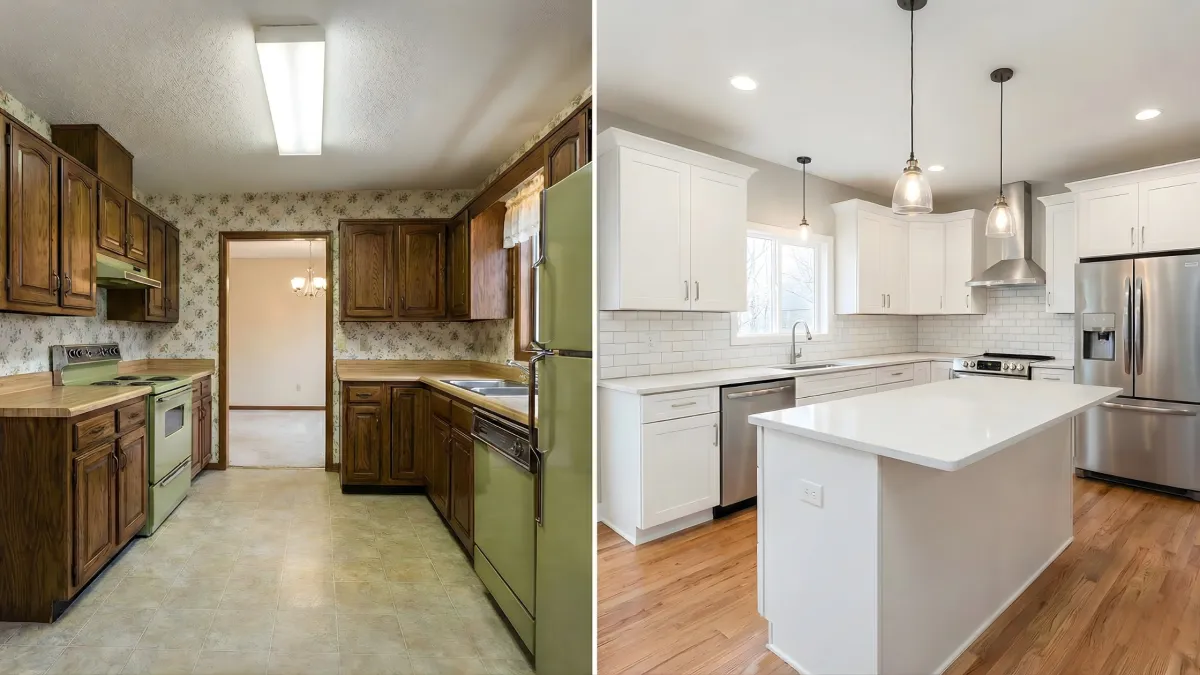
Renovate, Don’t Relocate: Financing Home Improvements When Inventory Is Tight
A few years ago, the answer was simple:
Outgrew your house? Wanted a better layout? Needed more space or a nicer kitchen?
You moved.
Today, that math looks very different. Many homeowners are locked into mortgage rates well below what’s available now.
At the same time, resale inventory is tight. Moving often means fewer choices and a much higher monthly payment.
So, for many, renovation has become the primary alternative – not just a backup plan.
The bigger question isn’t should you renovate or move?
It’s – how do you finance that decision?
Why so many homeowners are staying put
A large share of homeowners are sitting on mortgage rates that are hard to give up. Selling means resetting your loan at today’s higher rates, even if the new home isn’t a huge upgrade.
At the same time, buyers who want to move up are running into:
fewer homes to choose from
more competition when the right one appears
higher payments than they expected
That’s why many households are at a crossroads. Do you move and accept a higher rate and higher payment? Or do you invest in the home you already own and make it work better for your life?
More and more people are choosing the second option.
Renovation isn’t the hard part. Financing is.
Most renovation plans don’t fail because of design. They fail because the financing was an afterthought.
The smartest renovation decisions start with math, not mood boards.
Before picking contractors or finishes, homeowners need clarity on:
How much usable equity they actually have
How different financing options affect the monthly payment
Whether the renovation improves lifestyle, value, or both
How long they plan to stay in the home
In this market, improving the home you have is often cheaper than buying the one you want, but only if the financing is structured correctly.
Common ways homeowners are financing renovations
Using a HELOC for flexibility
A home equity line of credit lets you tap equity without touching your existing first mortgage. That’s a big deal if you have a low rate you want to keep. HELOCs can work well for phased projects, larger renovations spread over time, or when you want flexibility instead of a lump sum.
Considering a cash-out refinance (with caution)
In some cases, a cash-out refinance still makes sense, especially if it replaces higher-interest debt or simplifies multiple payments. But it resets your entire mortgage rate. In today’s market, that’s not a casual decision, so it needs to be modeled carefully.
Exploring renovation-specific loan options
Certain loan programs allow renovation costs to be rolled into financing. These can work for the right project, but they come with more rules, tighter timelines, and more oversight. They’re tools, not default solutions, so do your research well.
The right strategy depends on how you live.
Financing should match real life, not just a spreadsheet. These are the questions that matter:
Are you planning to stay long-term?
Do you need payment stability or short-term flexibility?
Is this renovation mainly lifestyle-driven, value-driven, or both?
Those answers shape the right approach.
The biggest mistake homeowners make is starting renovations without understanding the financial ripple effects. That’s how a smart improvement turns into ongoing monthly stress.
Start with financing. Renovate with confidence.
When you understand your equity, your options, and the tradeoffs upfront, renovation becomes a strategic choice. In a market where moving is expensive and inventory is limited, that clarity matters.
If you’re debating whether to renovate or relocate, the first step isn’t touring homes or calling contractors. It’s running the numbers.
Connect with us for a renovation and equity strategy discussion.
Let’s compare your renovation financing options side by side and talk through how they affect your payment, your flexibility, and your long-term plan.
We’ll help you decide whether improving the home you have makes more sense than chasing the one you can’t justify in today’s market.
